Below, we discuss the main types of pedals, their advantages and disadvantages, and what type of use they are best suited for.
1. Platform Pedals
Platform pedals are the most common and versatile. They are characterized by their wide surface area, which provides good support for the foot without the need for an anchoring system.
Advantages:
• Easy to use, without the need for special footwear.
• They allow you to quickly remove your foot if necessary.
• Ideal for beginners and urban routes.
• Available in versions with pins for greater grip.
Disadvantages:
• Lower efficiency in power transmission compared to other systems.
• On very technical or wet terrain, the foot may slip if they do not have a good grip.
Recommended for: Urban use, cycle touring and recreational mountain biking.
2. Clipless Pedals
Clipless pedals require special shoes with cleats that clip into the pedal, ensuring a firm connection between your foot and the bike.
Advantages:
• Better power transmission with each pedal stroke.
• Greater stability and control over the bike.
• Reduce fatigue on long rides.
Disadvantages:
• They require practice to get used to engaging and disengaging.
• They require specific shoes with cleats.
• They are not ideal for those who must put their foot on the ground frequently.
Recommended for: Road cycling, technical MTB and long rides where efficiency is key.
3. Mixed Pedals
Mixed pedals combine a platform side with a clipless side, allowing you to alternate between the two styles as needed.
Advantages:
• Versatility for different types of footwear and situations.
• Useful for those who alternate between recreational and sports cycling.
• They allow for progressive adaptation to the use of clipless pedals.
Disadvantages:
• They tend to be heavier than dedicated pedals.
• Pedaling efficiency depends on the side used at any given time.
Recommended for: Urban cycling, trekking, and users looking to transition to clipless pedals.
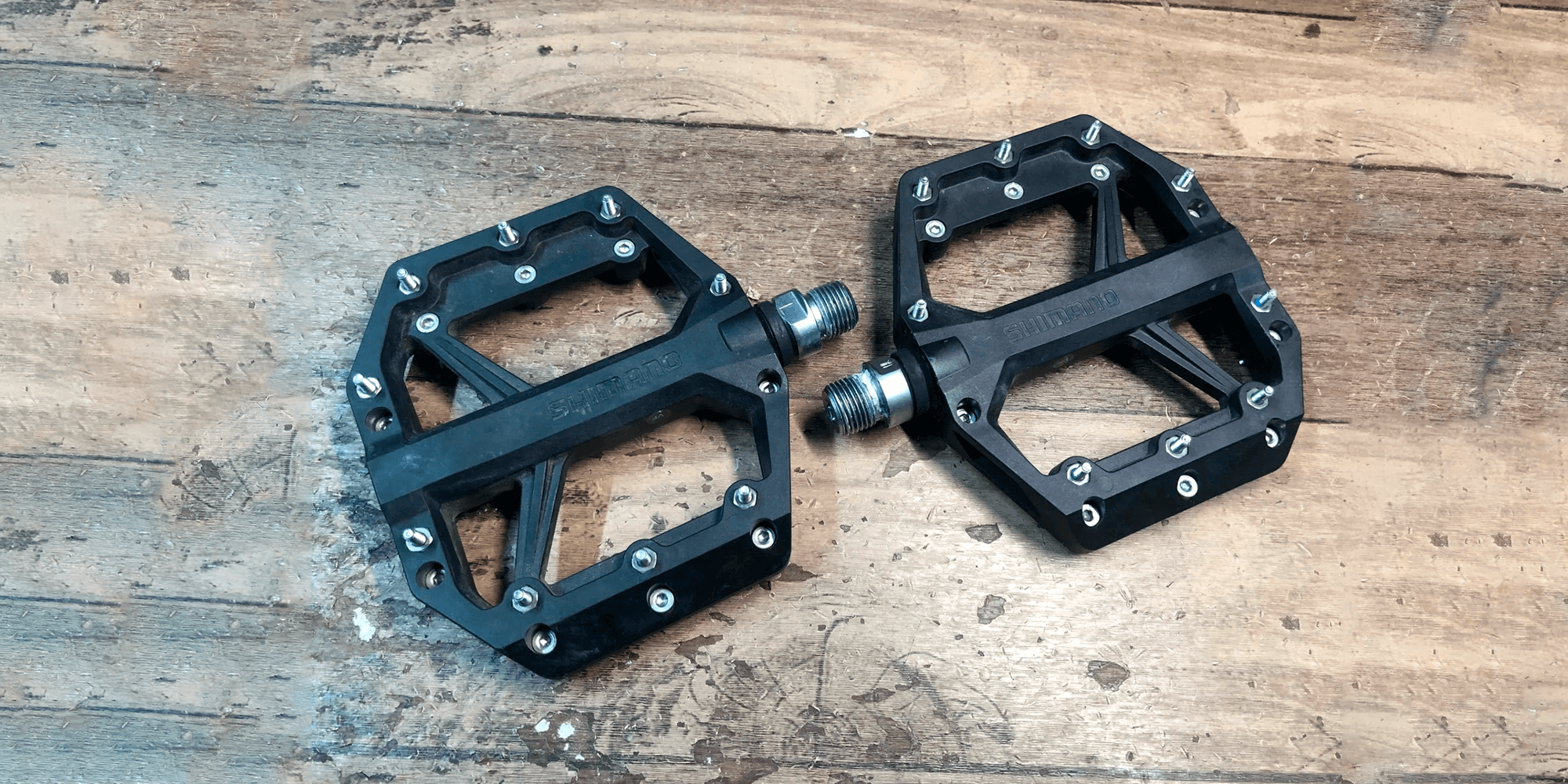
4. Platform Pedals with Pins
These are a variation of conventional platform pedals, but with small metal pins that improve the grip of the foot on the pedal.
Advantages:
• Excellent grip even on technical and wet terrain.
• They allow freedom of movement without compromising stability.
• They do not require specific footwear.
Disadvantages:
• They can be aggressive on footwear and cause wear.
• If the foot slips, they can cause bumps or scratches.
Recommended for: Enduro, downhill and technical MTB.
Conclusion
Choosing the right pedal for your e-bike will depend on the type of routes you ride and your riding style. If you're looking for comfort and versatility, platform or mixed pedals can be a great option. If you prioritize performance and efficiency, automatics are the best choice. At Bewatt, we know that every cyclist is unique, which is why we design high-performance electric bikes that adapt to your needs and the terrain you want to conquer.