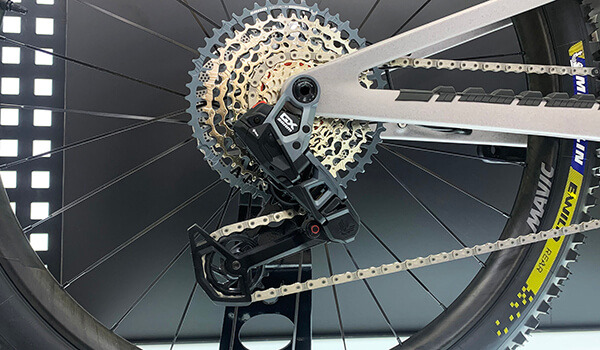
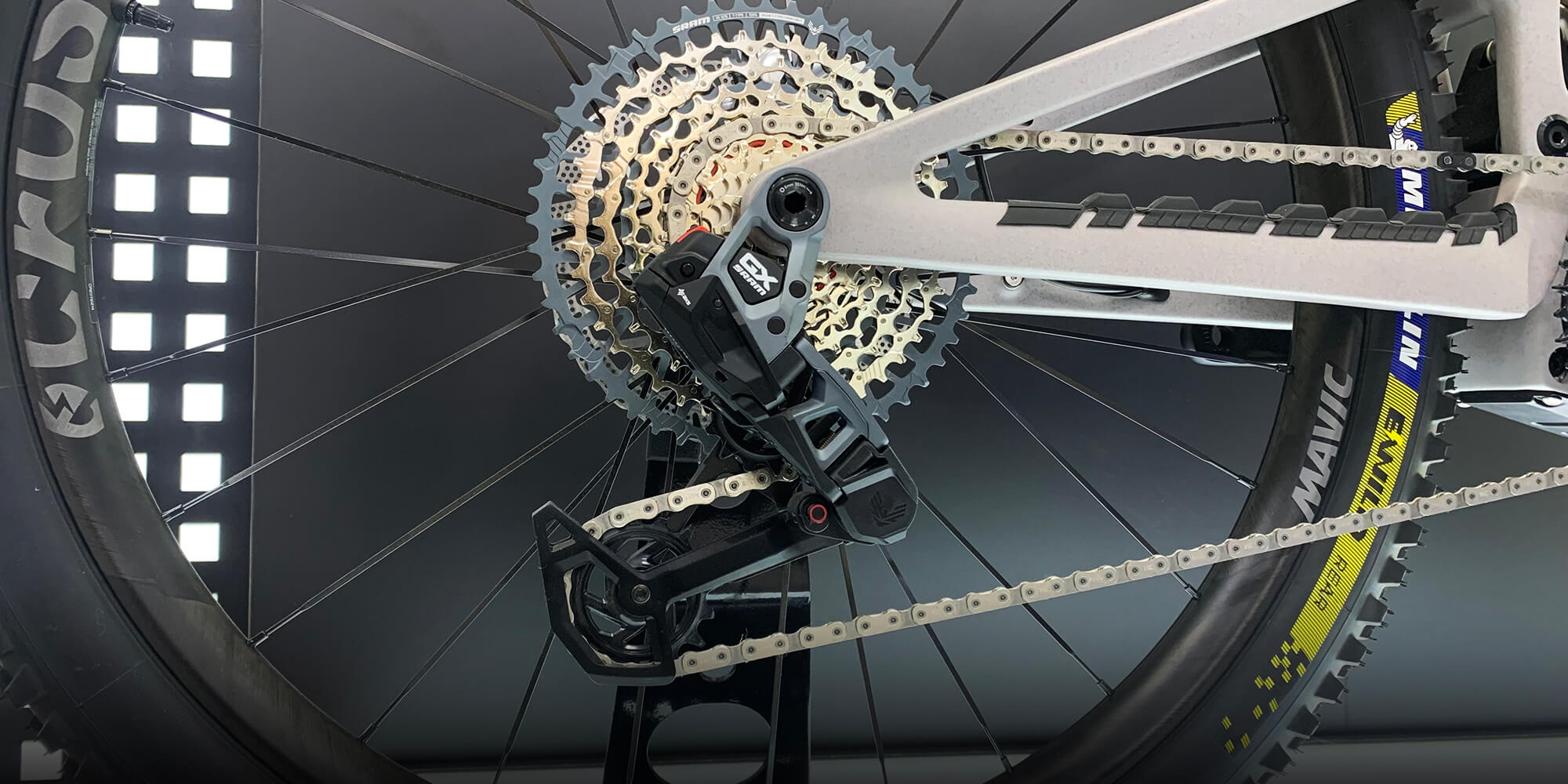
One of the most important—and often overlooked—components is the drivetrain, which plays a key role in an e-bike's performance, efficiency, and durability. Electric bikes require drivetrains tailored to the specifics of pedal-assist, and this article tells you why.
What makes an e-bike's drivetrain different?
Unlike a conventional bicycle, an e-bike uses a motor to assist pedaling. This means the chain, cassette, chainrings, and rear derailleur are all subject to higher torques and more intensive use. For this reason, manufacturers have developed e-bike-specific transmissions that can withstand this additional demand.
Types of transmissions for electric bicycles
- Traditional reinforced transmissions (chain and cassette)
- These have wider, stronger chains, designed to withstand the additional power of the motor.
- The cassettes and chainrings are usually made of steel or hardened materials for greater durability.
- Many models integrate electronic shifting technology optimized for e-bikes (such as Shimano Di2 for e-MTB).
- Belt drives
- These replace the chain with a carbon belt, eliminating noise and the need for lubrication.
- They require a frame specific with rear opening.
- Very common in urban bicycles due to their low maintenance and cleaning.
- Internal gear shifting systems (such as Enviolo or Rohloff)
- They offer continuous or stepped shifting, protected inside the rear hub.
- Ideal for urban or trekking e-bikes due to their smoothness and wear resistance.
- They are usually combined with belt drives for a 100% maintenance-free experience.
Main advantages of special transmissions for e-bikes
- Greater wear resistance: More robust components designed to withstand the additional torque of the motor.
- Optimized shifting: Many systems allow you to change gears even when stopped, which is key in urban or urban environments on slopes.
- Lower maintenance: Belt or internally geared drives eliminate frequent greasing and extend service intervals.
- Energy efficiency: Well-calibrated drivetrains make it possible to make better use of the motor's assistance and increase range.
- Greater reliability in adverse conditions: Especially on electric mountain bikes, where mud, water, or dust can compromise a standard drivetrain.
In summary
Choosing the right drivetrain for an electric bike isn't just a question of performance, but also of reliability and user experience. At Bewatt, we carefully select the most advanced drivetrain systems suitable for each type of use: from quiet and clean urban e-bikes to off-road models with robust and precise shifting. Because we understand that quality is in the details, and transmission is one of the most important.