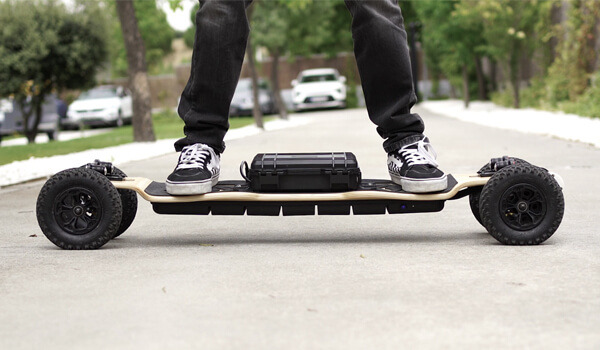
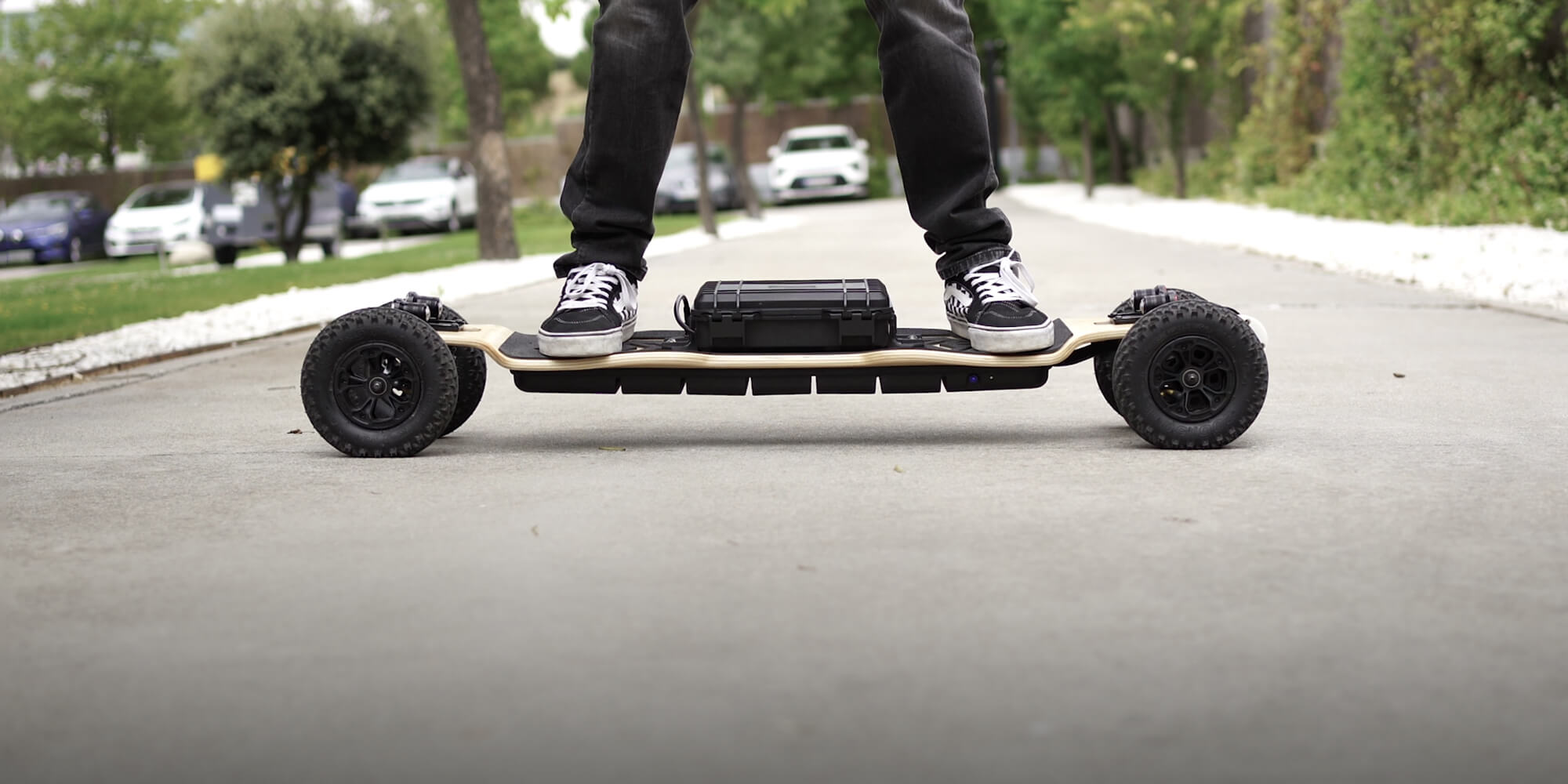
These boards are designed to flex under the rider's weight, resulting in a smoother, more controlled ride. In this article, we will explore the advantages of flex boards and the different types available on the market.
Advantages of Flex Boards
1 . Improved Comfort
Flexible boards better absorb vibrations and impacts from the terrain, reducing fatigue and discomfort during long rides. This feature is especially beneficial for urban trips where the terrain may be uneven.
2. Greater Control
The flexibility of the board allows a better response to the weight and movements of the rider, providing superior control and greater maneuverability. This is especially useful when cornering or making quick maneuvers.
3. Impact Cushioning
Flexible boards act as a natural shock absorber, reducing the impact on the rider's ankles and knees. This not only improves comfort, but can also prevent long-term injuries.
4. Smooth Riding Experience
The flexability of these boards allows for a more fluid and natural ride, similar to the feeling of surfing or snowboarding. This softness makes the riding experience more pleasant and fun.
Types of Flex Boards
1. Soft Flex (Soft Flex)
Features:
• High Flexibility: Boards with soft flex have a greater flexing capacity, which results in a very comfortable ride .
• Impact Absorption: Excellent for absorbing vibrations and impacts from the terrain, providing a very smooth driving experience.
• Recommended Use: Ideal for urban trips and for riders who prefer a comfortable and relaxed driving.
2. Medium Flex (Medium Flex)
Features:
• Balanced Flexibility: They offer a balance between flexibility and rigidity, providing a good combination of comfort and control.
• Versatility: Suitable for both urban rides and longer, faster rides.
• Recommended Use: Perfect for riders looking for a versatile board that can handle different types of terrain and driving conditions .
3. Hard Flex (Stiff Flex)
Features:
• Low Flex: These boards are stiffer, offering less flex but greater stability at high speeds.
• Control and Precision: Provide more precise control and quick response to the rider's movements.
• Recommended Use: Ideal for riders who prefer speed and control, and for those who They make long and fast trips on smoother terrain.
Materials Used in Flex Boards
1. Bamboo
• Properties: Bamboo is known for its natural flexibility and durability. Boards made of bamboo offer great shock absorption capacity and a soft flex.
• Advantages: Lightweight, sustainable and offers a very smooth ride.
2. Fiberglass
• Properties: Fiberglass is often used in combination with other materials such as bamboo or maple. Provides additional flexibility and greater durability.
• Advantages: Resistant and provides a good combination of flexibility and rigidity.
3. Canadian Maple
• Properties: Canadian maple is a traditional material in board construction. It offers good rigidity and durability.
• Advantages: Resistant and durable, although it may be less flexible than bamboo or fiberglass.
Conclusion
Flexible boards for electric skateboards offer a variety of benefits, from greater comfort and control to better shock absorption. Depending on your riding preferences and the type of terrain you usually ride, you can choose between a soft, medium or hard flex board. Additionally, materials such as bamboo, fiberglass and Canadian maple allow for a wide range of options in terms of flexibility and performance.